
Personalized Orthopedic Implants: Using 3D-printed Titanium for Bone Reconstruction

For patients with severe bone loss due to trauma, cancer resection, or congenital deformities, traditional orthopedic implants often fall short. Standard sizes and geometries can’t always accommodate unique anatomy, particularly in complex cases involving the pelvis, spine, or facial skeleton. But advances in additive manufacturing—specifically 3D printing using titanium alloys—are creating personalized implants that fit like a puzzle piece, reduce surgical time, and improve long-term outcomes.
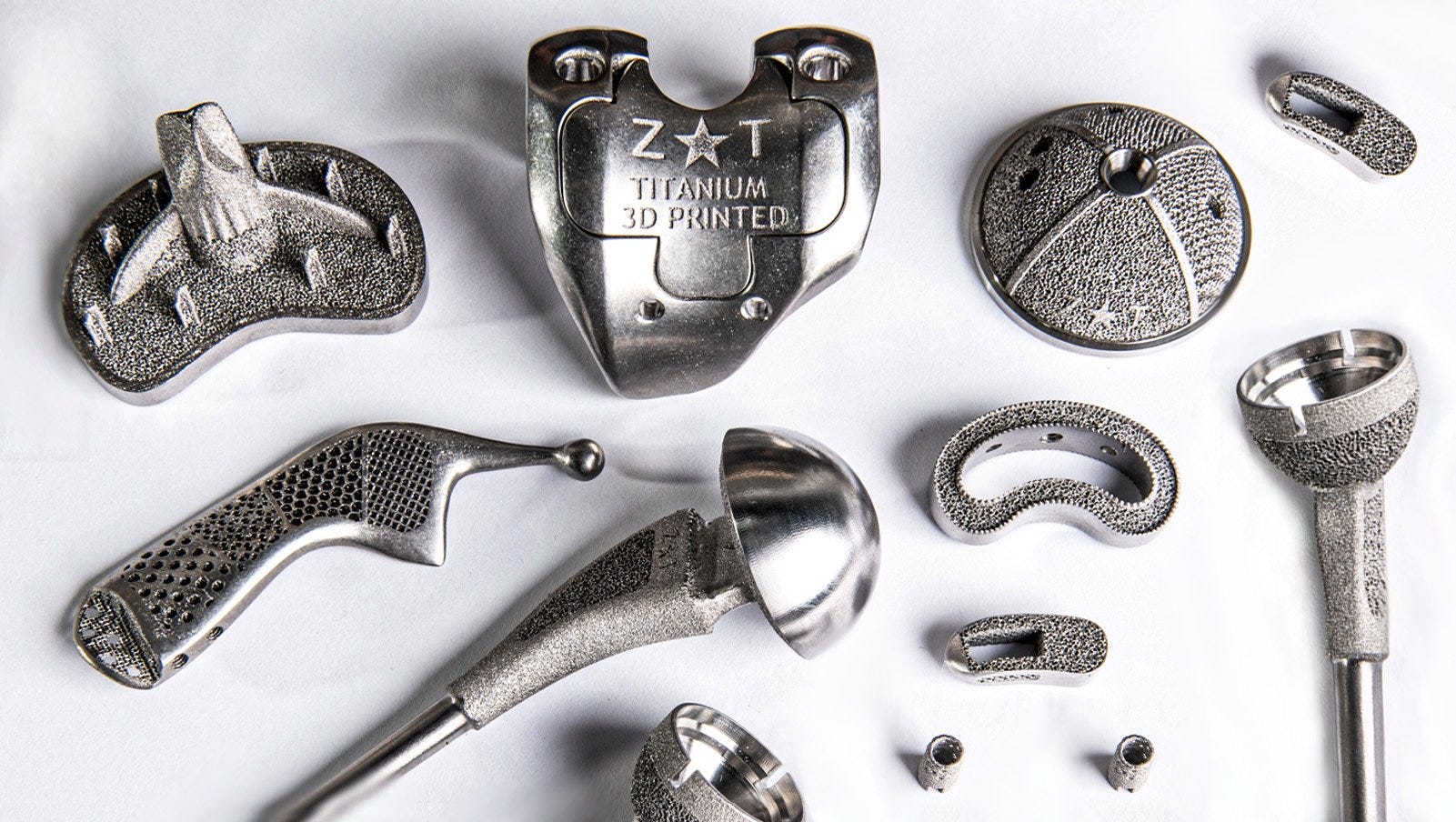
These implants are manufactured through a process called electron beam melting (EBM) or selective laser melting (SLM), where layers of powdered titanium are fused together based on digital 3D models derived from a patient’s CT or MRI scan. The result is a lightweight, porous structure with surface textures that promote bone integration while mimicking the biomechanical properties of natural bone.
Leading this shift are companies like Materialise, LimaCorporate, and Zimmer Biomet, all of which now offer custom 3D-printed implants for orthopedic oncology, acetabular revision, cranio-maxillofacial (CMF) repair, and spine reconstruction. In many cases, hospitals and surgeons work directly with engineers to co-design the implant using digital planning tools and virtual surgery simulations. Data from peer-reviewed studies back the clinical value. A 2021 multicenter study in The Journal of Bone and Joint Surgery found that custom 3D-printed acetabular implants used in revision hip arthroplasty had a 94% implant survival rate at three years, even in patients with massive bone loss classified as Paprosky type III. Surgeons reported more accurate restoration of hip biomechanics, shorter operative time, and fewer intraoperative complications compared to traditional implants.
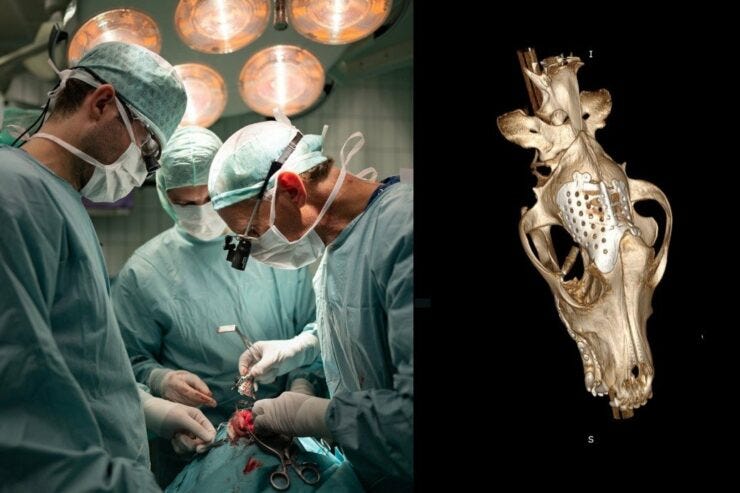
Titanium’s properties make it especially suited for orthopedic applications. It is biocompatible, corrosion-resistant, and has a high strength-to-weight ratio. When printed with a trabecular or lattice-like structure, it enables osseointegration—the direct structural connection between living bone and the implant surface. This reduces the risk of implant loosening and improves long-term mechanical stability. For instance, in spinal surgery, 3D-printed titanium cages and vertebral body replacements are gaining ground as alternatives to plastic or machined metal implants. According to a 2023 market report by BIS Research, the global market for 3D-printed spinal implants is expected to grow at a CAGR of 17.8% through 2030, driven by increasing rates of spinal fusion surgeries and demand for more personalized care.
Beyond complex reconstructions, 3D printing is enabling preoperative planning and surgical simulation. Some institutions now print anatomical replicas of patient bones to practice surgeries before the actual procedure, reducing guesswork and enhancing precision. Others use printed cutting guides or drilling templates tailored to the implant design, decreasing operating time and blood loss.
Despite the promise, challenges remain. Custom implant manufacturing requires close collaboration between hospitals and device companies, adding logistical complexity and cost. On average, producing a custom 3D-printed implant takes 2 to 3 weeks and costs several thousand dollars more than an off-the-shelf device. However, advocates argue that the benefits—fewer revisions, shorter hospital stays, and better functional outcomes—often justify the investment.
Regulatory frameworks are also evolving. In the U.S., the FDA now allows custom 3D-printed implants under the “custom device exemption” pathway, provided they are designed for a specific patient and prescribed by a qualified physician. Still, widespread adoption will require more large-scale, randomized trials comparing printed implants to conventional options across a range of indications.
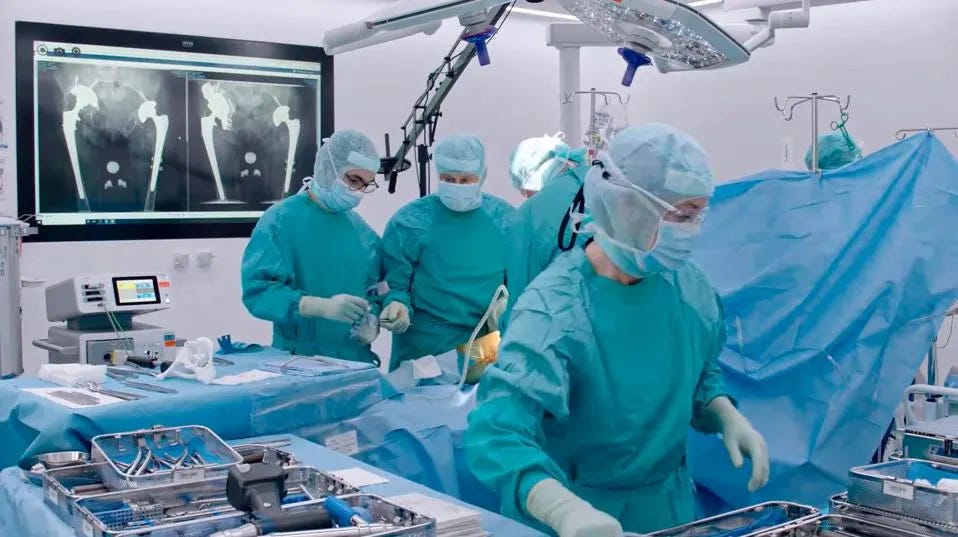
Looking ahead, research is focused on further personalizing these implants by incorporating bioactive coatings, antibiotic-releasing layers, or even stem cell-infused scaffolds to accelerate healing. Engineers are also experimenting with embedded sensors that can track mechanical strain or detect early signs of infection, transforming implants into smart, therapeutic platforms.
In trauma and oncology, where every case is unique and reconstruction is often urgent, 3D-printed titanium implants offer an unparalleled blend of precision, durability, and biocompatibility. As printing speeds improve and design software becomes more accessible, the future of orthopedics may be not just metal and bone—but pixels and powder.
Cool article!